
Ice-cold, always
Served between 1–4°C for that first crisp sip. A frosted glass adds three seconds of perfect chill.
Taste you
can see.
A sensation so vivid it takes shape — sculpted from cold, alive with light.
A feeling
carved in ice.
The kind that stops you mid-sentence. The kind only one drink delivers.
Ice Cold · Every Sense
Pause the
world.
One pull-tab. A small ritual that turns an ordinary minute into yours.
There's a Coca-Cola moment waiting wherever you are. Make it now.
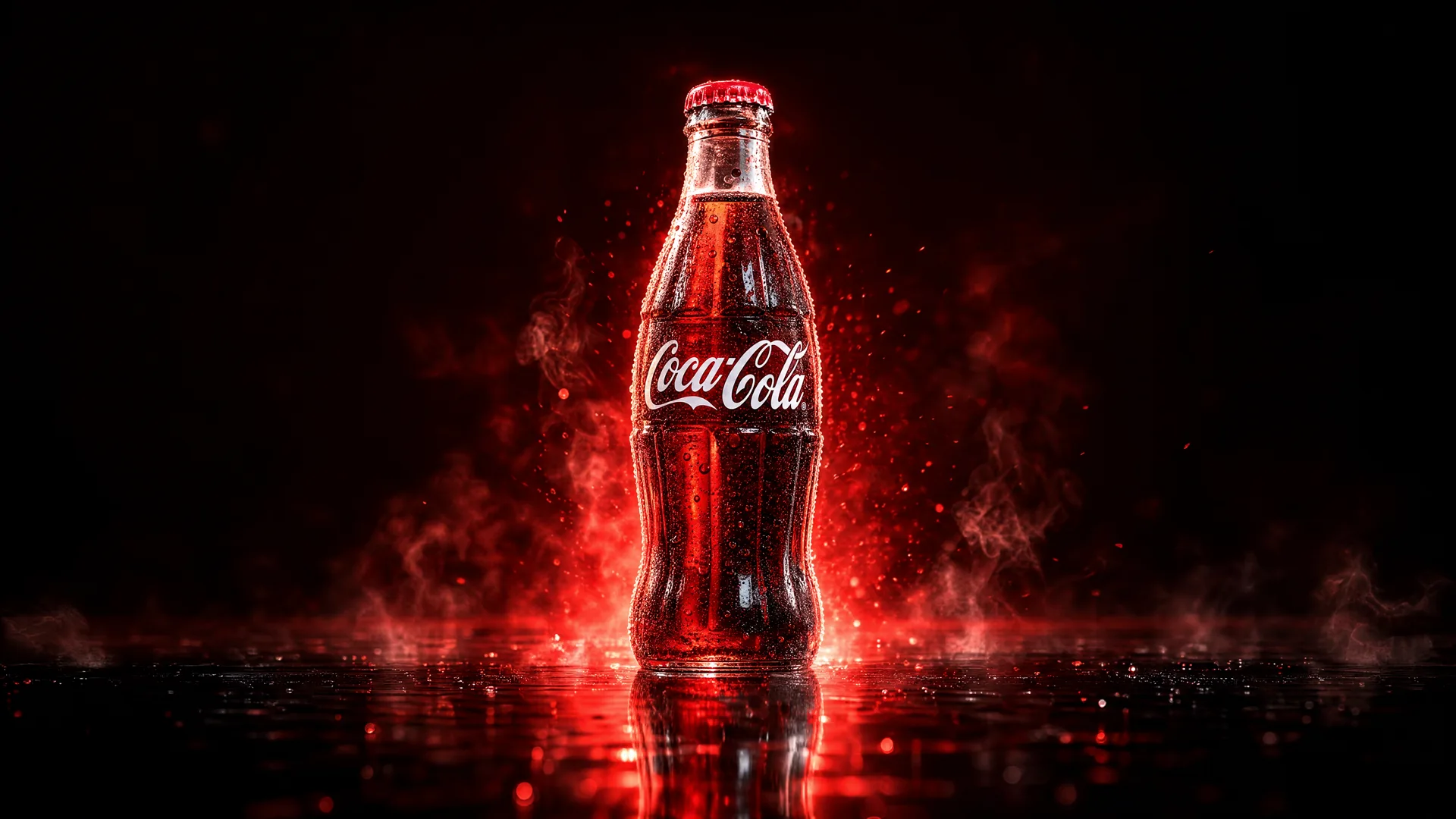
A contour bottle you could recognise shattered on the floor. Simply unmistakable.
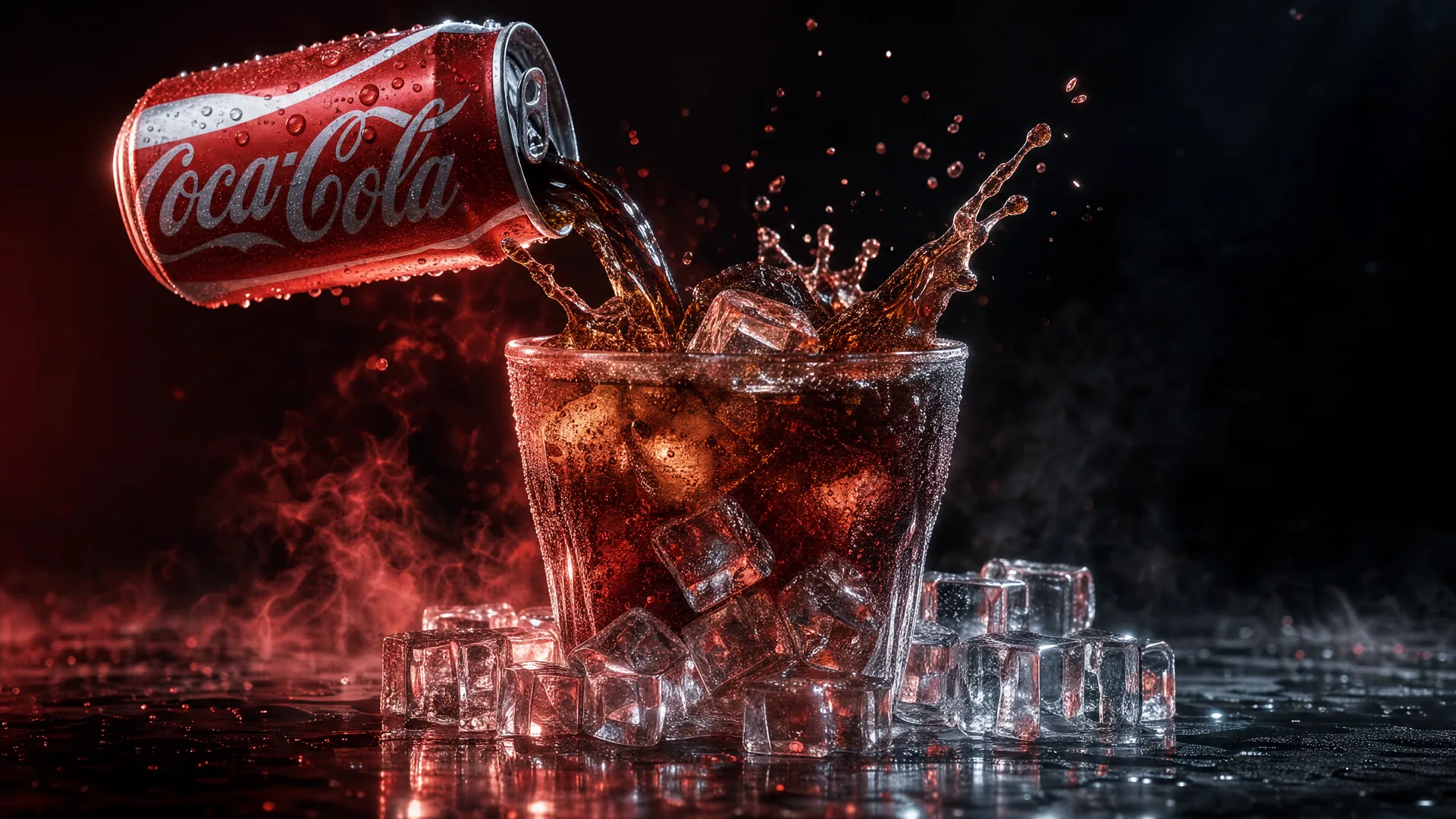
The exact moment an ice-cold Coca-Cola meets the glass — alive with light, loud with fizz.
More than 135 years in. The recipe hasn't changed. Neither has the feeling.
Served between 1–4°C for that first crisp sip. A frosted glass adds three seconds of perfect chill.
Glass bottle. Mini can. 12-pack. Every format is a reason to gather someone close — over an ordinary Tuesday.
Over 200 countries. One taste. Locate the nearest cold one in under ten seconds with our store finder.
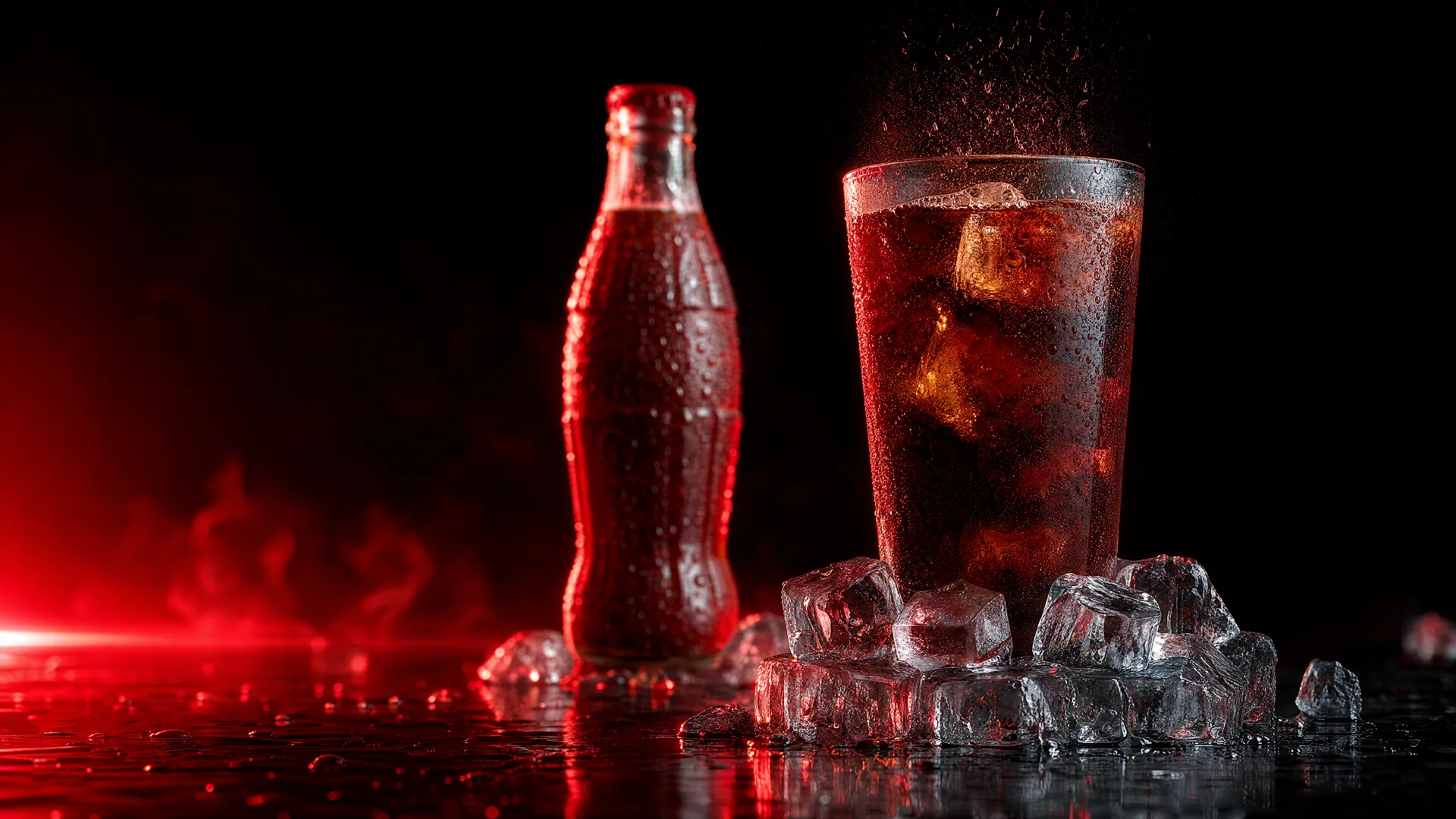
Fizz streaming up a tall cold glass — the way it was meant to be poured.
Every can holds roughly 2.2 volumes of CO₂ — enough to lift the sweetness, sharpen the bite, and carry the aroma in a single sip. That fizz isn't decoration. It's how the recipe sounds.
How we test every batch →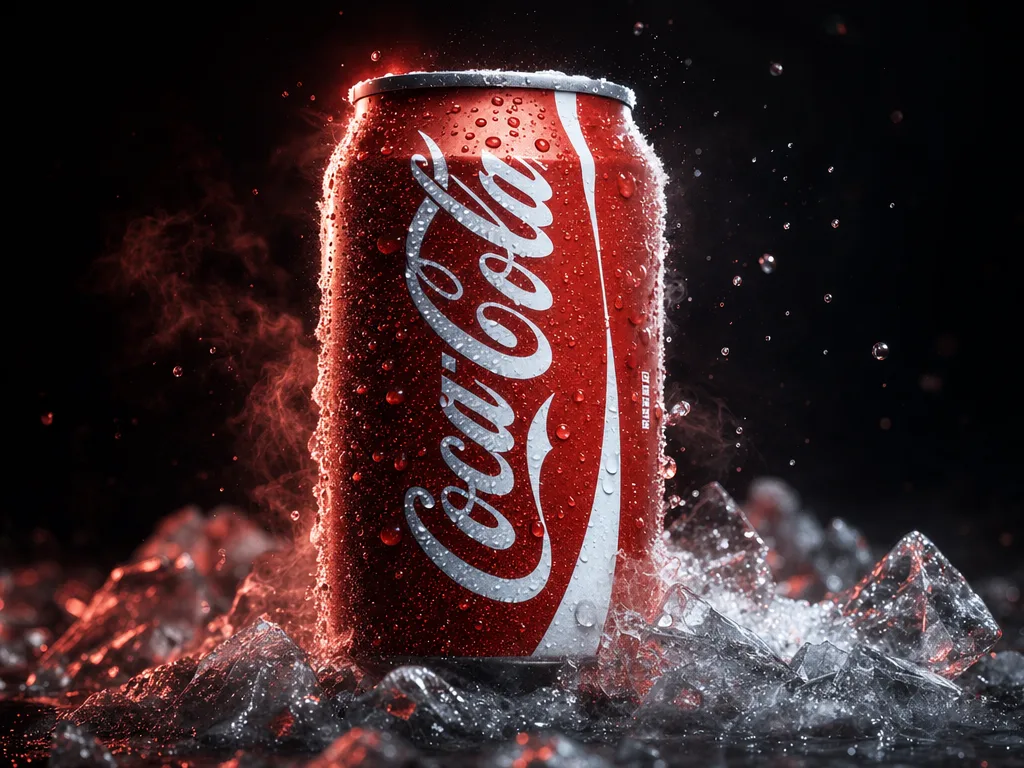
Below 4°C, the syrup notes recede and the carbonation tightens. That's the temperature your shoulders drop. A frosted glass buys you another three seconds at peak.
Best serve guide →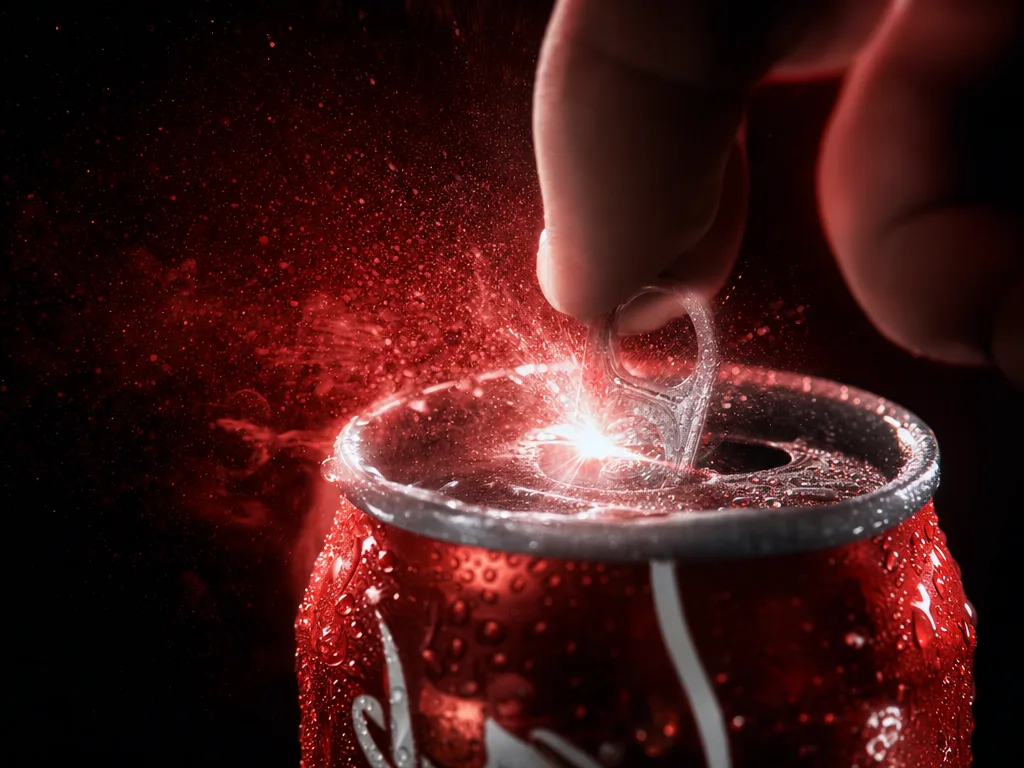
Coca-Cola has been part of life's pauses, celebrations, and ordinary Tuesdays for over 135 years. The recipe hasn't changed. Neither has the feeling. That's not nostalgia — it's discipline.
Find a cold one near you →It's not a drink. It's a feeling you can taste.
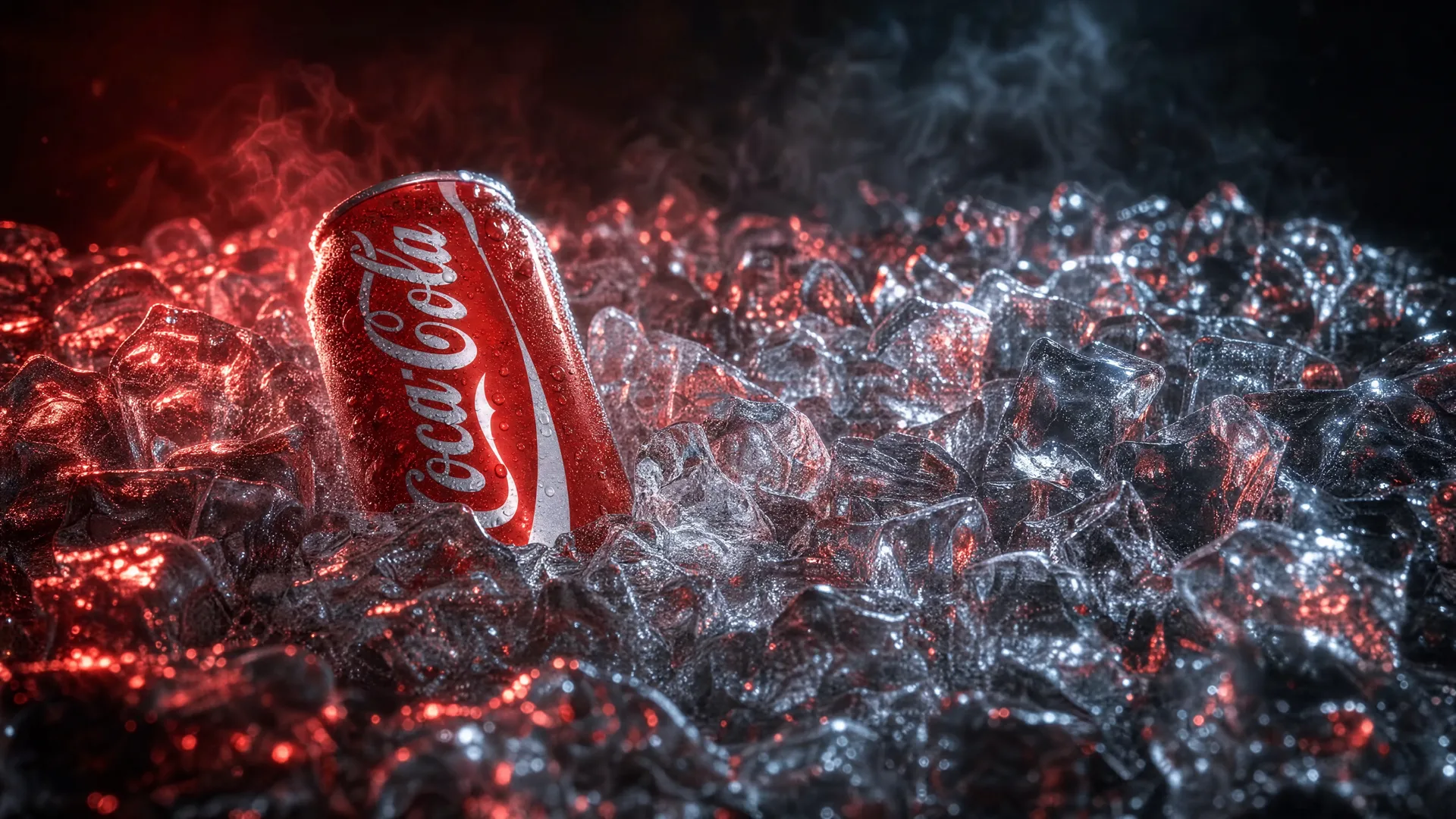
The temperature where the syrup recedes and the bubbles bite hardest.
Servings per person, per year.
Source: per-capita 8-oz servings, latest available year.
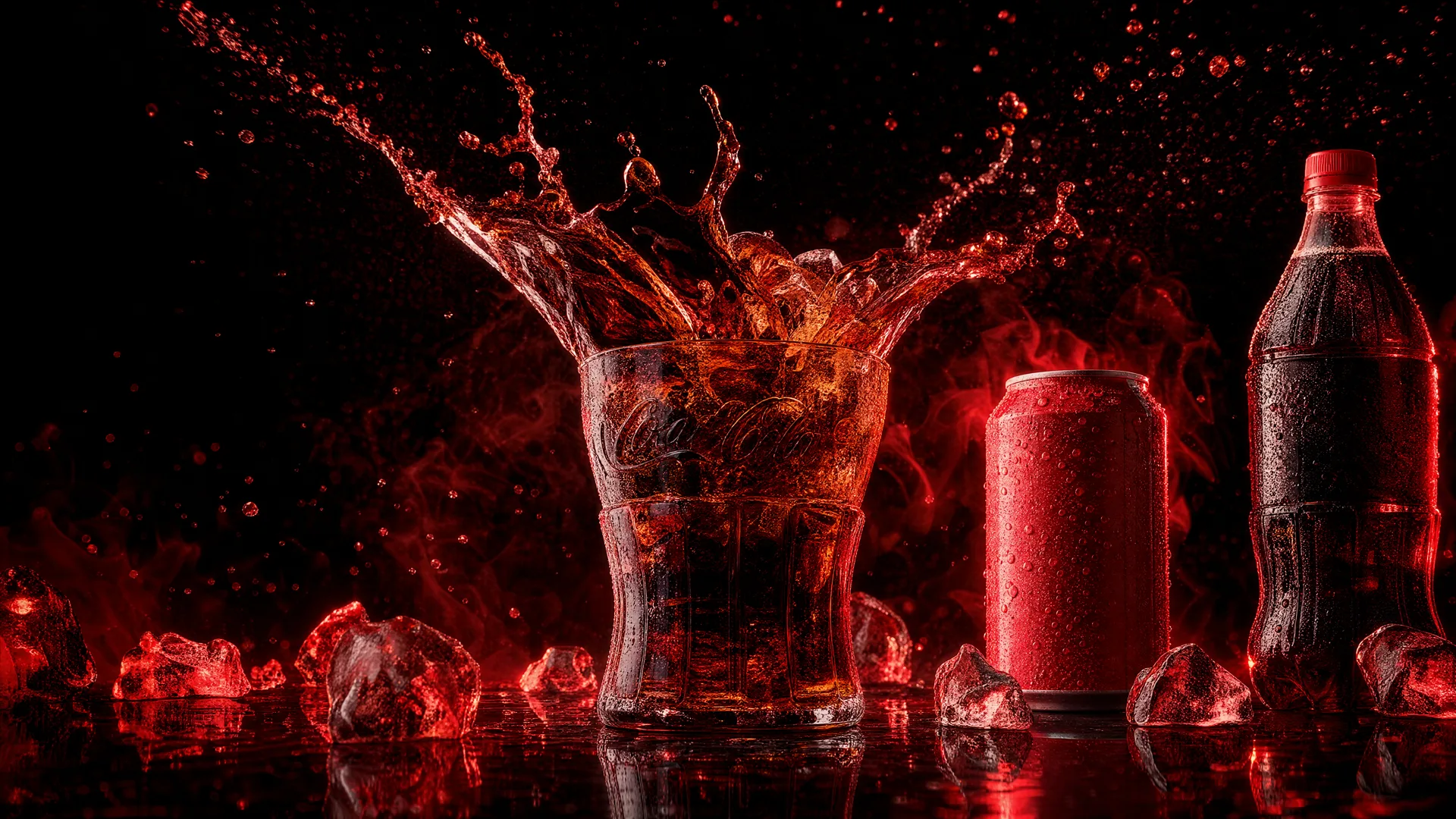
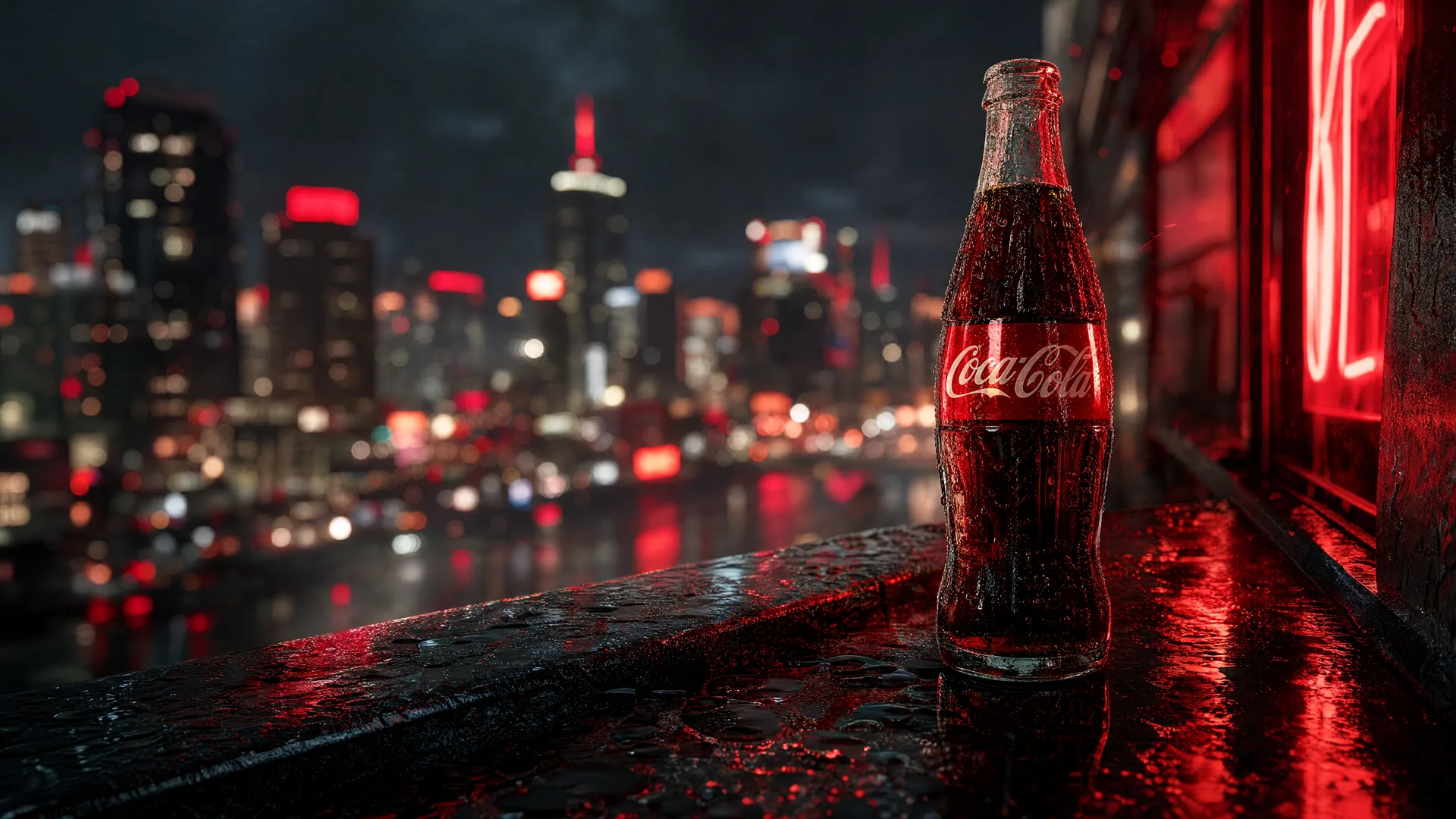
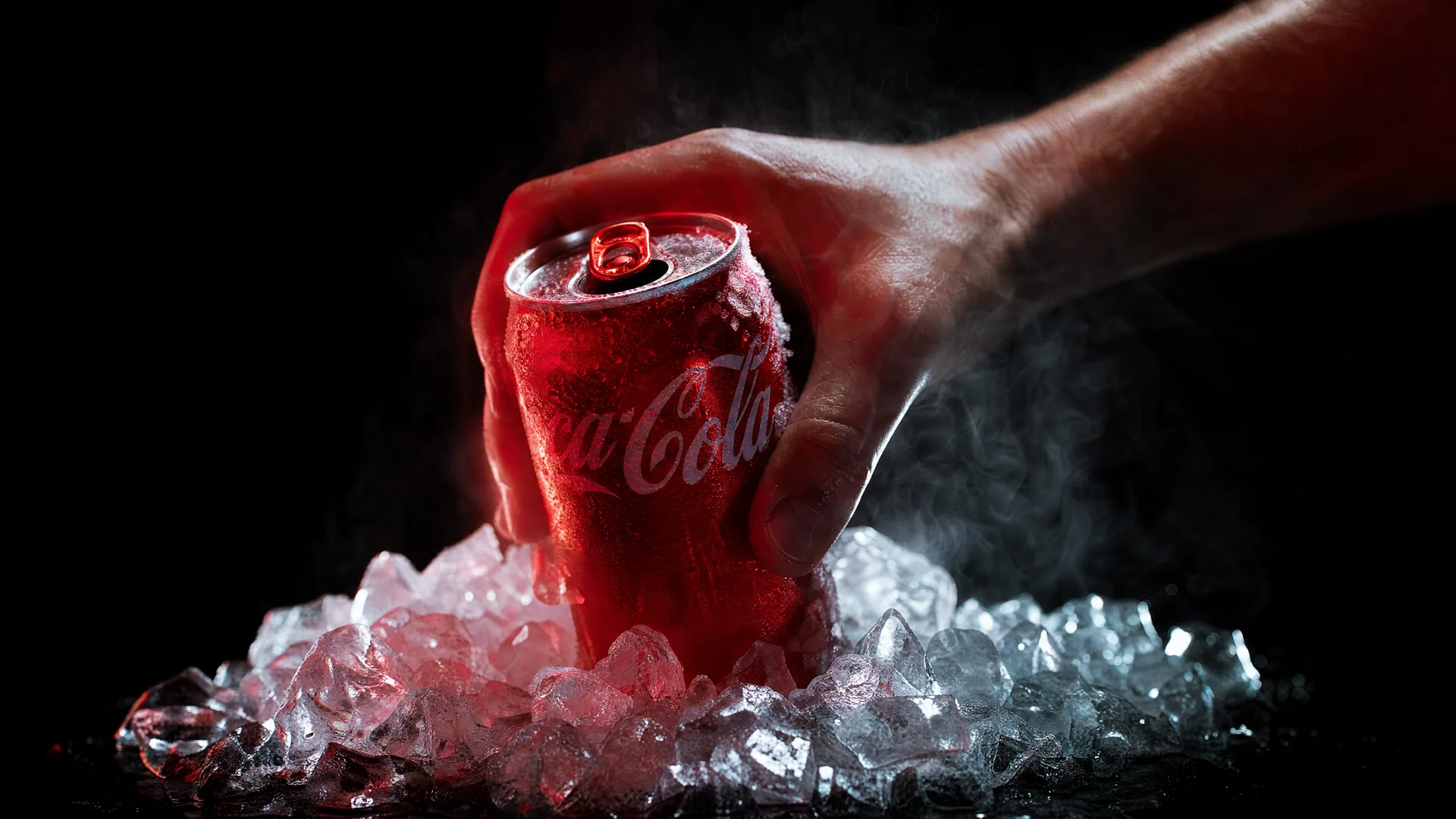
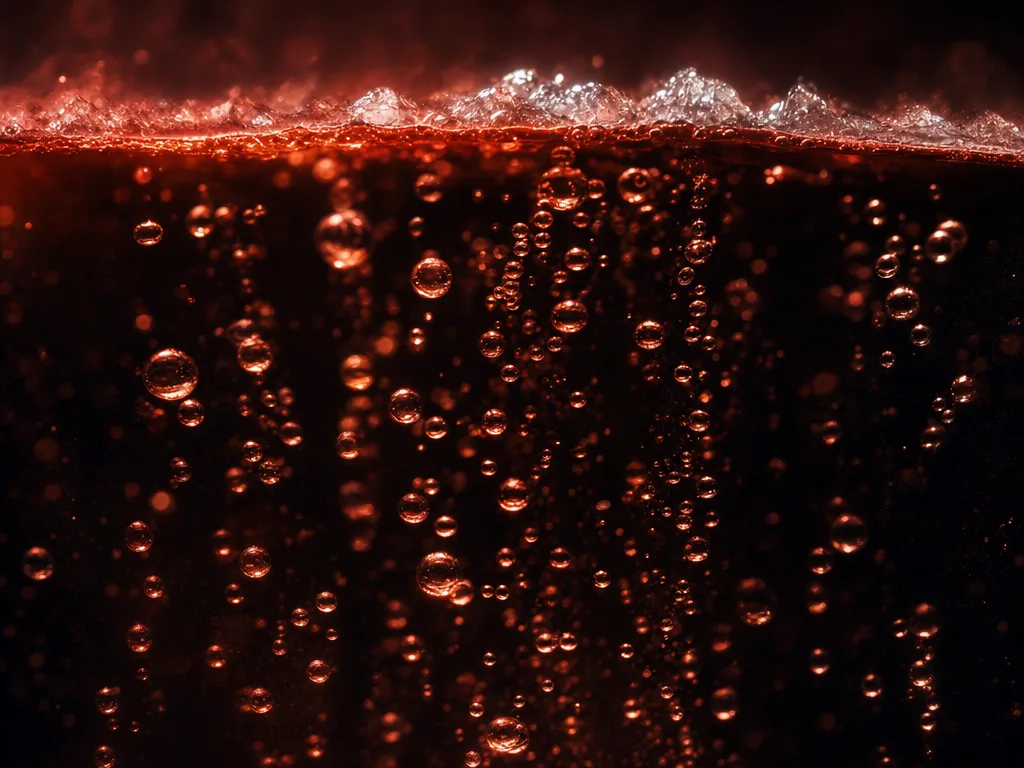
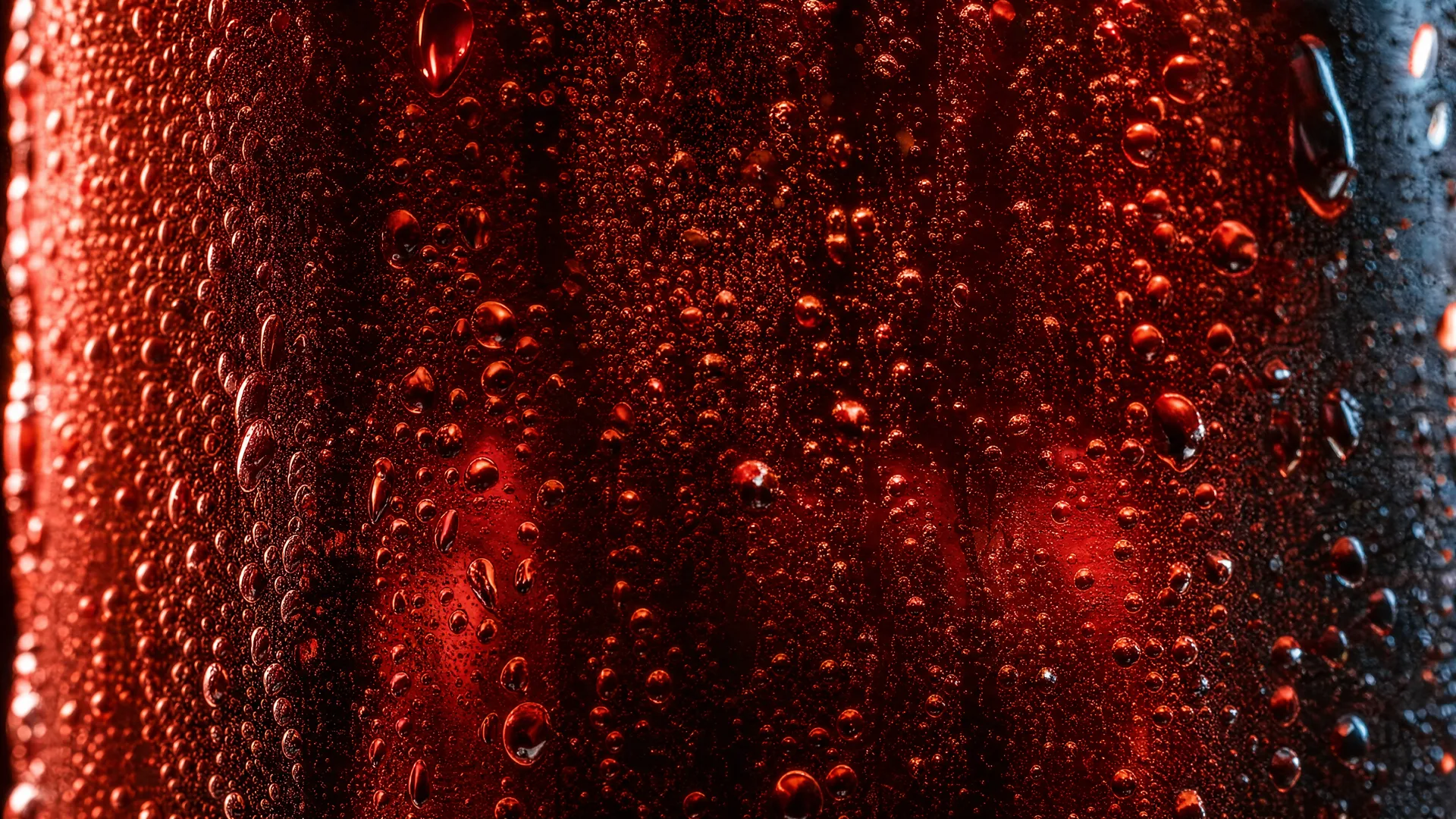
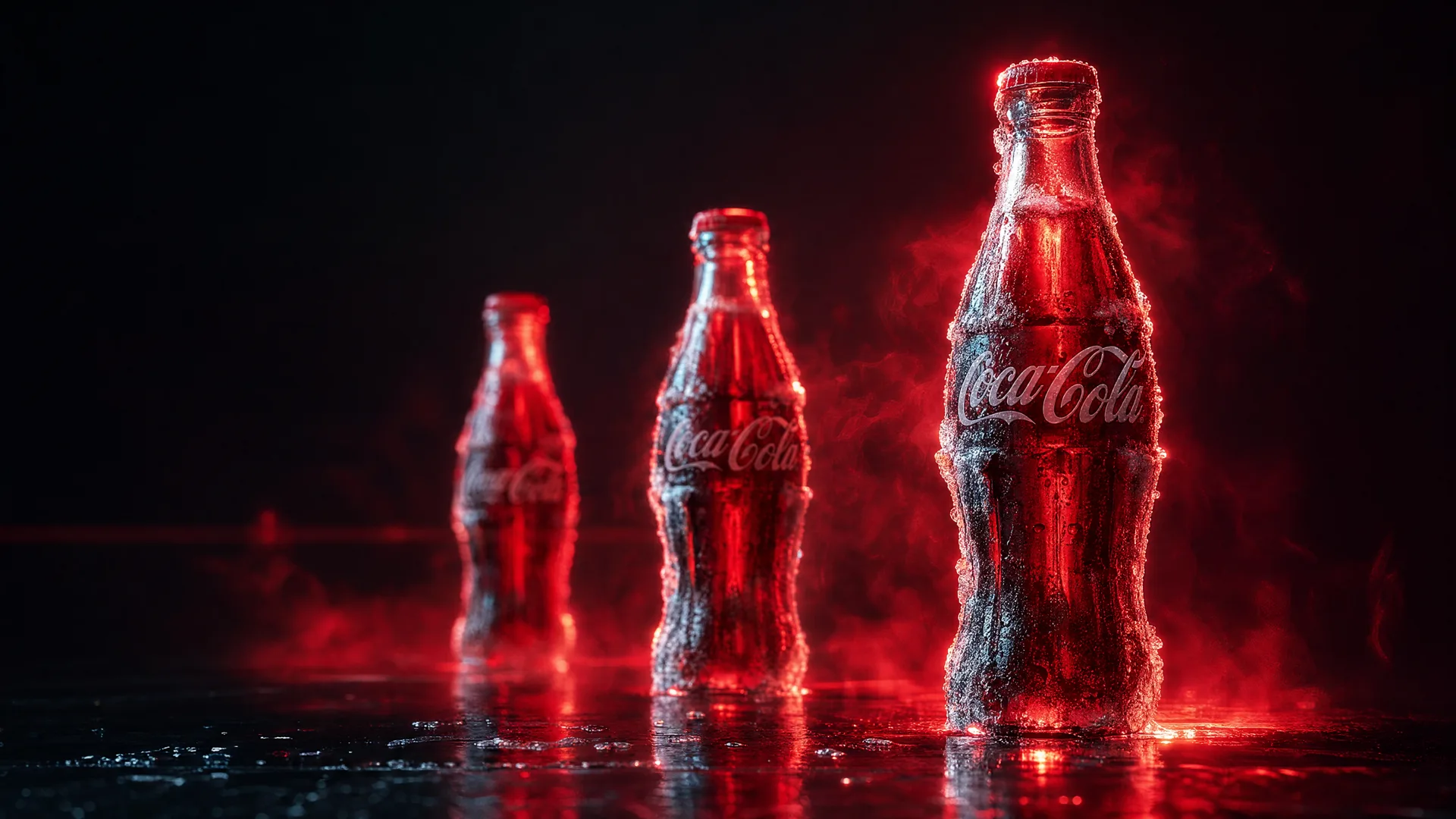
Shot like a film. Each frame sculpted from cold light, condensation and crimson.
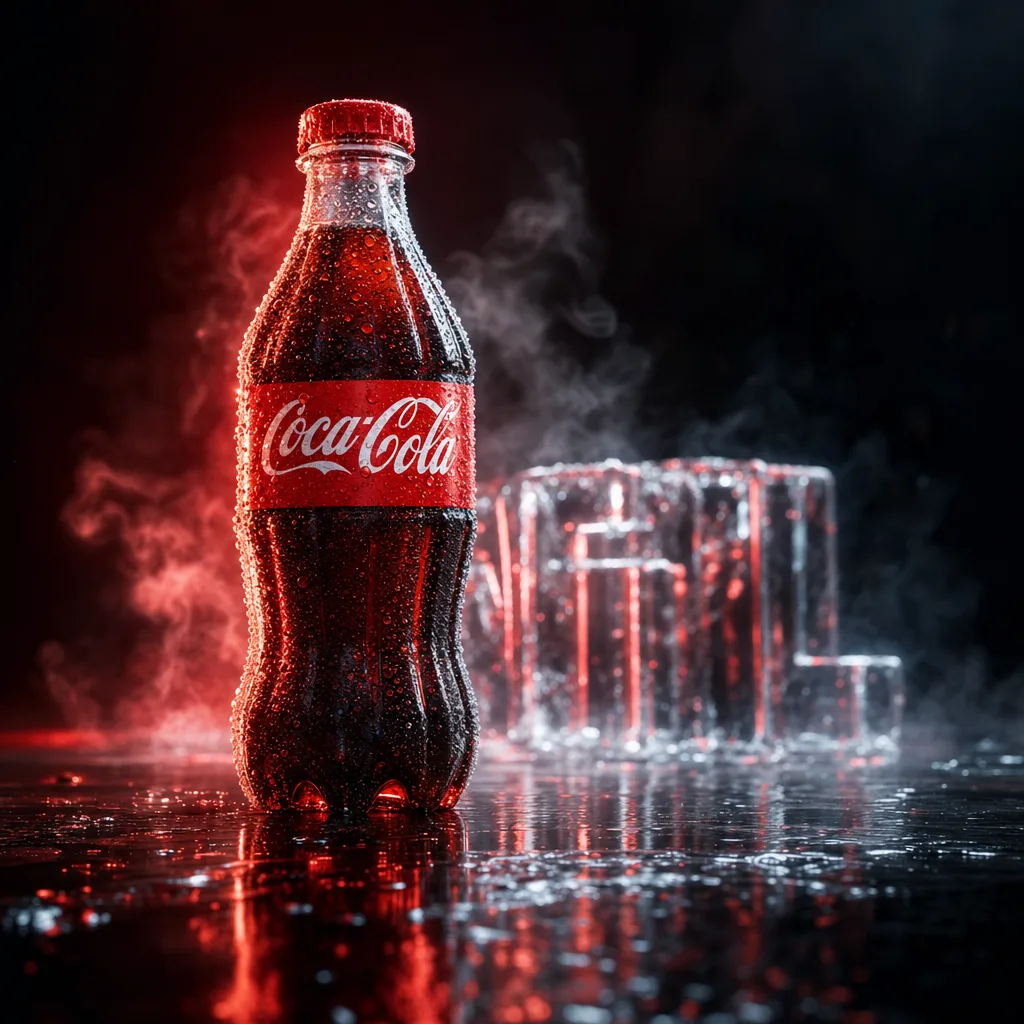
City ledge, late night, condensation on the glass. Make it now.
Poured for the first time at a soda fountain in Atlanta — five cents a glass, and an idea that would outlast everything around it.
The contour bottle is born — a shape so honest you could recognise it in the dark, or shattered on the ground.
The world is taught to sing in perfect harmony. The feeling goes global, one chorus at a time.
1.9 billion times a day, the same cold crack of a can turns an ordinary minute into yours.
Coca-Cola soft drinks are consumed every second of every day around the world.
In 1886 just nine drinks a day were sold. Today it's 1.9 billion servings a day.
brands in the portfolio — but the original recipe has stayed the same since day one.
The average person enjoys a Coca-Cola product once every four days — about 92 a year.
Coca-Cola has raised its dividend for 64 consecutive years — among the longest streaks on earth.
countries serve it. There are more places to buy a Coke than there are member states of the UN.
Carbonation, light and momentum in a single frozen instant.
From a brass kettle in Atlanta to the most recognised taste on earth.
On May 8, 1886, Atlanta pharmacist John Stith Pemberton brewed the first batch of Coca-Cola syrup in a brass kettle in his backyard, then carried it down to Jacobs’ Pharmacy where it sold for five cents a glass.
His bookkeeper, Frank Robinson, named it “Coca-Cola” — and penned it in the flowing Spencerian script that, almost unchanged, is still the logo today. Nine drinks a day were sold that first year.
The formula — known internally as Merchandise 7X — has been one of the world’s best-kept trade secrets for over a century. Cocaine was removed in 1903; the recipe has otherwise stayed remarkably constant.
Today it is sealed in a purpose-built vault in Atlanta, on public display yet entirely unreadable — the secret that everyone can see and no one can copy.
In 1915 the Root Glass Company of Terre Haute, Indiana designed the contour bottle — ribbed and bulbous, instantly recognisable by touch alone, even shattered on the ground.
It became one of the only packages on earth granted trademark protection for its shape. A hundred years later, it hangs in art museums.
From 1931, illustrator Haddon Sundblom painted Coca-Cola’s Santa Claus — warm, round, rosy-cheeked, dressed in Coca-Cola red. For over thirty years he defined how the world pictures Santa to this day.
It wasn’t a man in a suit; it was Santa himself, pausing mid-delivery to enjoy an ice-cold Coke.
In April 1985, losing ground to Pepsi, the company changed the formula. The backlash was instant and ferocious — one of the most famous marketing missteps in history.
Within 79 days the original returned as “Coca-Cola Classic,” and sales soared. The lesson was permanent: people weren’t loyal to a flavour, they were loyal to a feeling.
Anyone can open a Coca-Cola. Here's how to make it perfect.
The exact temperature where the syrup notes recede and the bubbles bite hardest.
Straight from the freezer. Condensation on the outside, perfect carbonation in.
Down the side, then straighten — keep the crown of fizz, lose nothing.
That's the window. After that, it's still good — just no longer perfect.
The cold weight of the can, the hiss of the tab, the bite of the fizz.
| Metric | Detail | Figure |
|---|---|---|
| First served | Jacobs' Pharmacy, Atlanta | 1886 |
| Servings / day | across 200+ countries | 1.9 B |
| Servings / second | every second, worldwide | 10,000 |
| Countries | more than the UN has members | 200+ |
| Brands in portfolio | Fanta, Sprite, Dasani & more | 500+ |
| Dividend streak | consecutive annual increases | 64 yrs |
1.9 billion times a day, the same cold crack of a can turns an ordinary minute into yours.
Great products are copied in a week. Great feelings take a century to build — and can’t be reverse-engineered.
While everything around it changed, the original recipe held its ground — the one constant in a fast world.
“I’d like to buy the world a Coke” (1971) wasn’t about a drink. It was about a moment everyone already understood.
The script, the red, the contour curve — recognised by 94% of the planet, in any language, at any size.
Find the nearest ice-cold one in under ten seconds. No app, no signup — just a map and a moment.
Find a Coke near you →Between 1–4°C. Anything warmer dulls the bubbles and the bite. A frosted glass adds about three seconds of perfect chill before the carbonation softens. Pour, don't stir.
The original Coca-Cola formula has been protected since 1886. We've added zero-sugar and flavored variants over the years, but Classic stays Classic. The recipe lives in a vault in Atlanta.
In over 200 countries, almost anywhere food and drink are sold. Use the store locator above to find the nearest cold one in under ten seconds. Vending, retail, restaurants — all included.
We sponsor local festivals, sports, and community moments worldwide. Check our events page or follow your country's Coca-Cola social account for the latest in your city.
Yes. Our World Without Waste initiative targets 100% recyclable packaging and a bottle collected for every one sold by 2030. Read the latest sustainability report for the full picture.
Press inquiries go to [email protected]. Consumer support and store-locator help live in the footer. We answer most messages within one business day.
Every section, the scroll-scrub hero video, the 3D-textured title and the imagery on this page were produced by Imagera.ai — the AI cinematic landing page builder. Describe a vibe, drop in your photos, and get a scroll-animated landing page like this in minutes.
Build your own with Imagera.ai →This Coca-Cola history & facts page — covering the 1886 invention, the secret formula, the contour bottle and the Coca-Cola Santa — was built with Imagera, an AI landing page builder and AI website builder that turns a prompt into a cinematic, scroll-animated web page (an AI landing page generator with AI hero video, 3D-textured titles and exportable HTML). Explore the AI cinematic page builder.